

6 Reasons Hard Drive Shredding Is Critical for Data Security
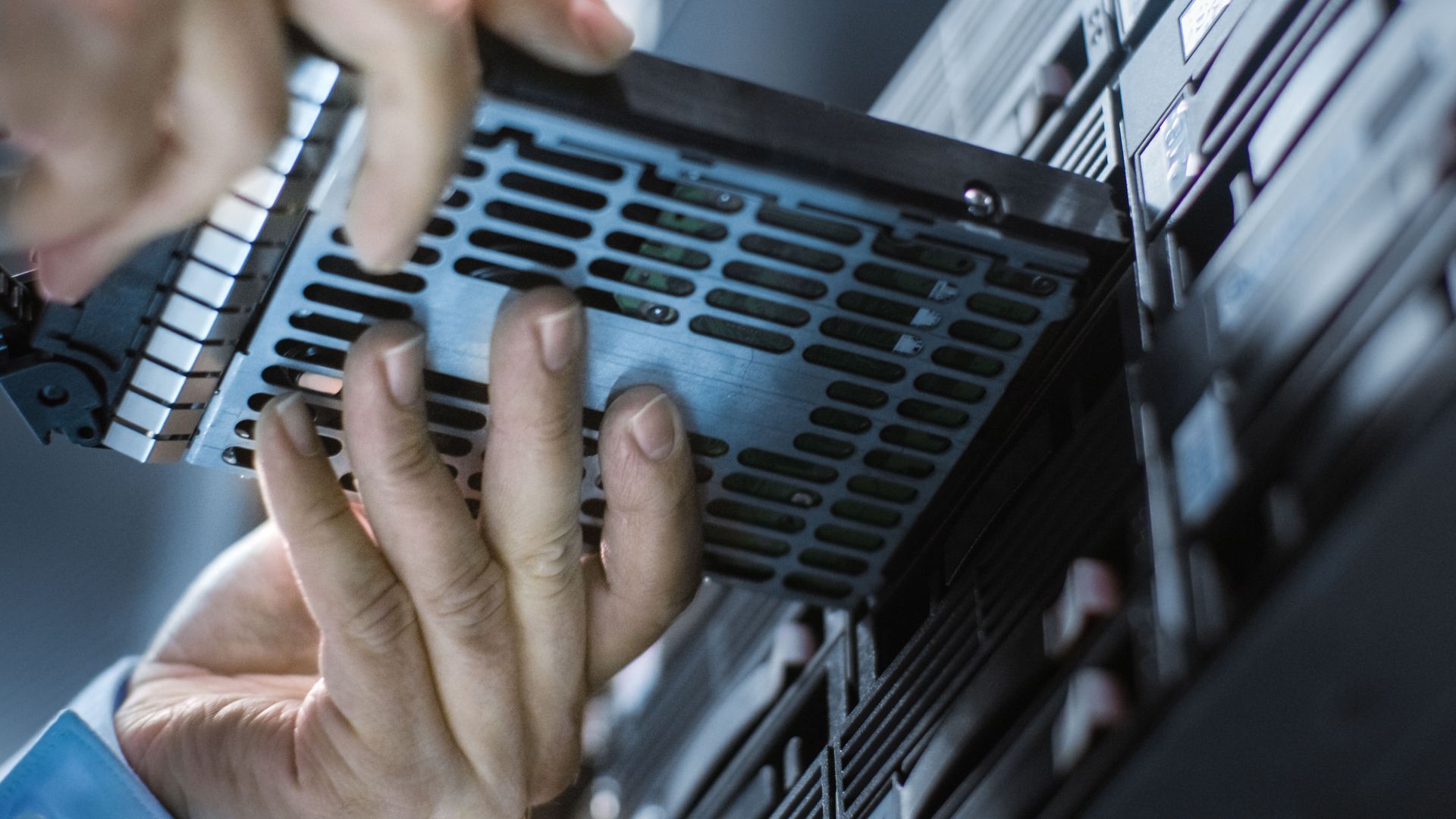
In today’s digital world, protecting sensitive data is essential for businesses and individuals alike. As the amount of stored data continues to grow, so does the risk of data breaches and unauthorized access. Using a reliable hard drive shredding service physically destroys obsolete storage devices, ensuring confidential information cannot be recovered or misused. This critical step in data security strategies provides peace of mind in an era where the consequences of breaches can be severe and costly.
Data breaches can have long-lasting effects that extend beyond immediate financial loss, including damaged reputations and loss of customer trust. As data storage grows exponentially, simply deleting files is no longer sufficient to protect sensitive information. Physical destruction through shredding ensures that data remnants do not remain accessible to malicious actors. Therefore, adopting hard drive shredding as part of an overall data management plan is vital for any organization serious about security.
1. Preventing Unauthorized Access to Data
Unauthorized access to sensitive information can cause serious harm to organizations and individuals. A hard drive shredding service provides a definitive way to eliminate recoverable data from retired devices, blocking any chance of data retrieval. Skilled hackers can exploit small data remnants, so physical destruction remains the most effective protection. Understanding this risk helps businesses select shredding as the most foolproof option compared to other methods like degaussing or encryption.
Regulatory compliance also demands secure data disposal. Laws such as HIPAA require organizations to safeguard data properly, with failure leading to fines or legal penalties. Numerous data breaches have occurred due to insufficient destruction of drives, emphasizing that shredding is necessary to meet these obligations. These real-world examples show that physical shredding is essential to protecting sensitive information and avoiding costly consequences.
Besides legal requirements, industries that handle personal or financial data must ensure that disposal methods leave no room for data recovery. Unlike software-based data wiping, which can sometimes fail or be bypassed, shredding guarantees destruction of all physical storage components. This makes it the preferred choice for businesses dealing with highly confidential data or facing strict regulatory scrutiny.
2. Protecting Intellectual Property from Theft
Intellectual property represents a company’s valuable competitive advantage. Trade secrets, patents, and proprietary data stored on hard drives must be protected from corporate espionage and theft. A hard drive shredding service prevents this critical information from falling into the wrong hands by ensuring all obsolete drives are thoroughly destroyed. This defense helps businesses maintain their innovative edge and market position.
Regularly destroying storage devices sends a strong message that an organization prioritizes data security. Failing to protect intellectual property can result in lost revenue and reduced market share. Different industries face unique risks, and tailored shredding practices provide comprehensive protection for vital information. Businesses that consistently use shredding report fewer breaches and stronger trust with partners and clients.
Protecting intellectual property through shredding also supports a culture of confidentiality within organizations. Employees, partners, and customers alike benefit from knowing that sensitive information is handled responsibly. This culture reduces insider threats and strengthens overall security posture, which is particularly important in innovation-driven sectors like technology, pharmaceuticals, and manufacturing.
3. Reducing Environmental Impact Through Responsible Recycling
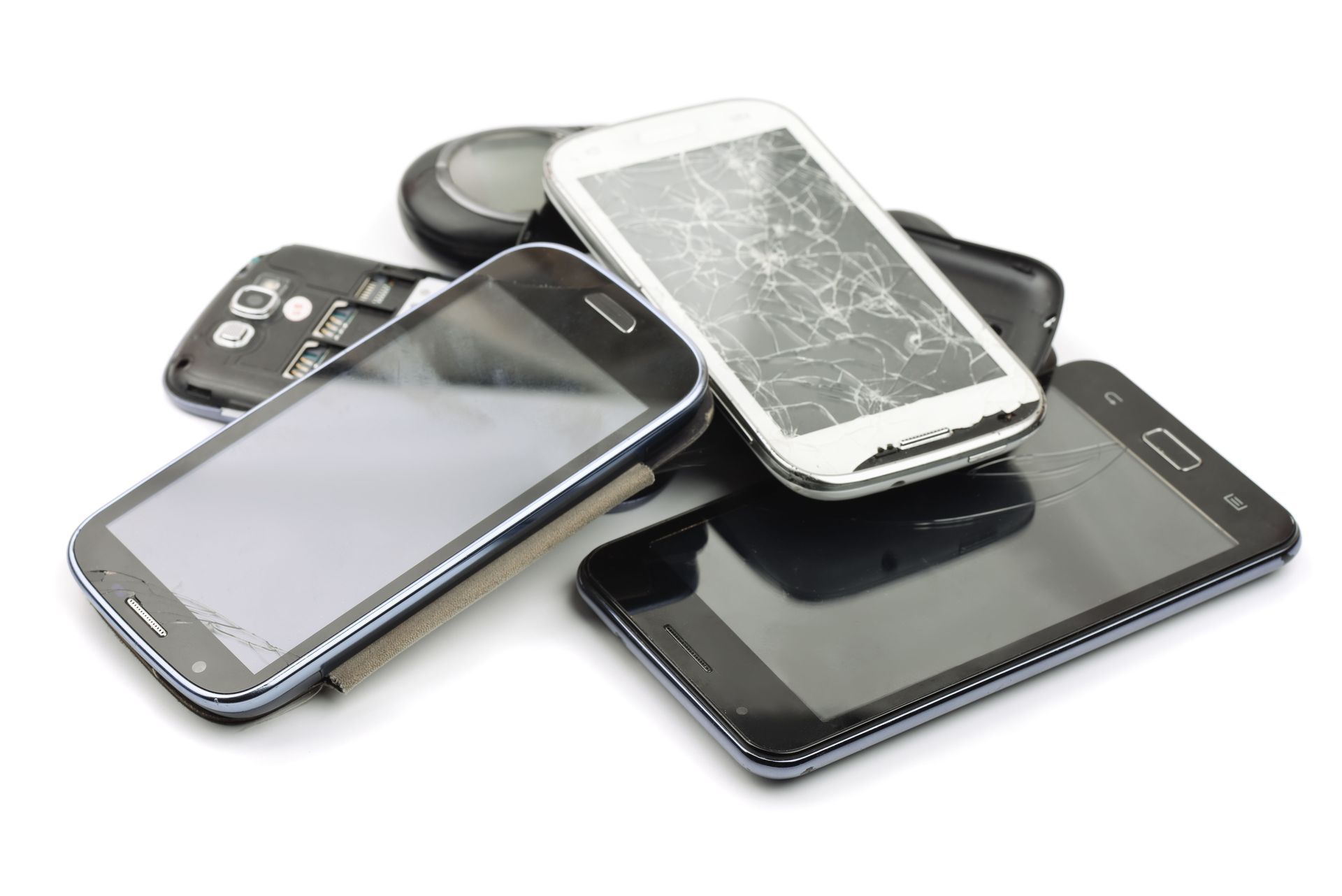
The environmental burden of electronic waste continues to grow worldwide. According to CNBC, the U.S. generated just under 8 million tons of e-waste, yet only about 15% to 20% of it is properly recycled. Hard drive shredding not only secures data but also supports e-waste reduction by enabling the recycling of shredded materials. After shredding, metals, plastics, and other components can be separated and reused, minimizing the environmental footprint of electronic disposal.
Integrating sustainable data disposal into company operations aligns with growing global efforts to reduce digital carbon footprints. Organizations that adopt shredding as part of their processes demonstrate commitment to both security and environmental responsibility. This approach helps businesses contribute positively to eco-friendly initiatives while safeguarding sensitive data.
Including shredding in sustainability policies promotes a culture valuing data protection and environmental consciousness. As companies seek to enhance their green credentials, shredding offers dual benefits—secure data destruction and waste reduction. Supporting these efforts may also provide regulatory incentives and strengthen public goodwill.
Moreover, recycling shredded components reduces the demand for raw materials, conserving natural resources and lowering greenhouse gas emissions. Organizations partnering with certified shredding providers ensure that shredded materials are handled responsibly and in compliance with environmental regulations.
4. Maintaining Customer Confidence Through Secure Disposal
Customer trust depends heavily on the protection of personal information. Data breaches often result in damaged reputations and lost loyalty. Employing a hard drive shredding service prevents data leaks by ensuring proper disposal of sensitive information. Transparent data disposal practices build confidence and demonstrate a company’s dedication to safeguarding customer privacy.
Reputation management is closely tied to strong data security measures. Companies that prioritize shredding protect customer information and enhance their brand image. A good reputation improves market standing and increases customer retention. Recent case studies highlight how breaches caused by lax disposal methods can cause long-lasting harm, underscoring the need for rigorous shredding protocols.
By fostering a culture of data security, organizations prioritize customer trust and protect their business interests. Learning from incidents in various sectors encourages better disposal practices and stronger customer relationships.
5. Saving Money Over Time by Preventing Data Breaches
Data breaches can cost companies millions in legal fees, fines, settlements, and lost business. Using a hard drive shredding service reduces these risks and provides long-term financial benefits. Although shredding involves upfront costs, it is a cost-effective strategy compared to the consequences of compromised data security.
Non-compliance with data protection regulations can lead to expensive penalties. Incorporating shredding into disposal routines helps companies avoid such costs and may even reduce insurance premiums. Using external shredding services can also be more efficient and economical than handling destruction internally. These savings contribute to overall financial stability.
Investing in regular shredding supports sustainable growth by minimizing risk exposure. This allows organizations to focus resources on innovation and development while maintaining robust data protection. Cost-effective shredding is a key component of sound risk management strategies.
6. Adapting to Evolving Data Security Technologies
As data storage technology advances, so do the techniques used by cybercriminals. Hard drive shredding services must keep pace with these changes by adopting the latest destruction methods to ensure comprehensive security. Staying informed about emerging disposal technologies helps organizations maintain effective data protection.
New cybersecurity threats require forward-looking disposal strategies. Regularly updating shredding practices ensures protection against evolving risks and aligns with industry standards. Compliance with updated regulations protects companies from legal issues and enhances confidence in their security measures.
Proactively adapting to technological and regulatory developments is essential for maintaining data security. Including shredding as part of a broader, evolving strategy helps businesses safeguard information in an ever-changing digital environment.
Choosing a certified and compliant hard drive shredding service ensures thorough destruction of sensitive data while supporting environmental sustainability. Utilizing such services provides peace of mind by protecting against data breaches, complying with regulations, and reducing electronic waste. Organizations can protect their assets and reputation by integrating professional shredding into their data disposal plans. For secure and reliable hard drive shredding service that meets your business needs, contact I.T. Supply Solutions, LLC today to learn how we can help protect your sensitive information and support sustainable e-waste management.


Share On: