

14 Hidden Risks of Ignoring Proper E-Waste Recycling
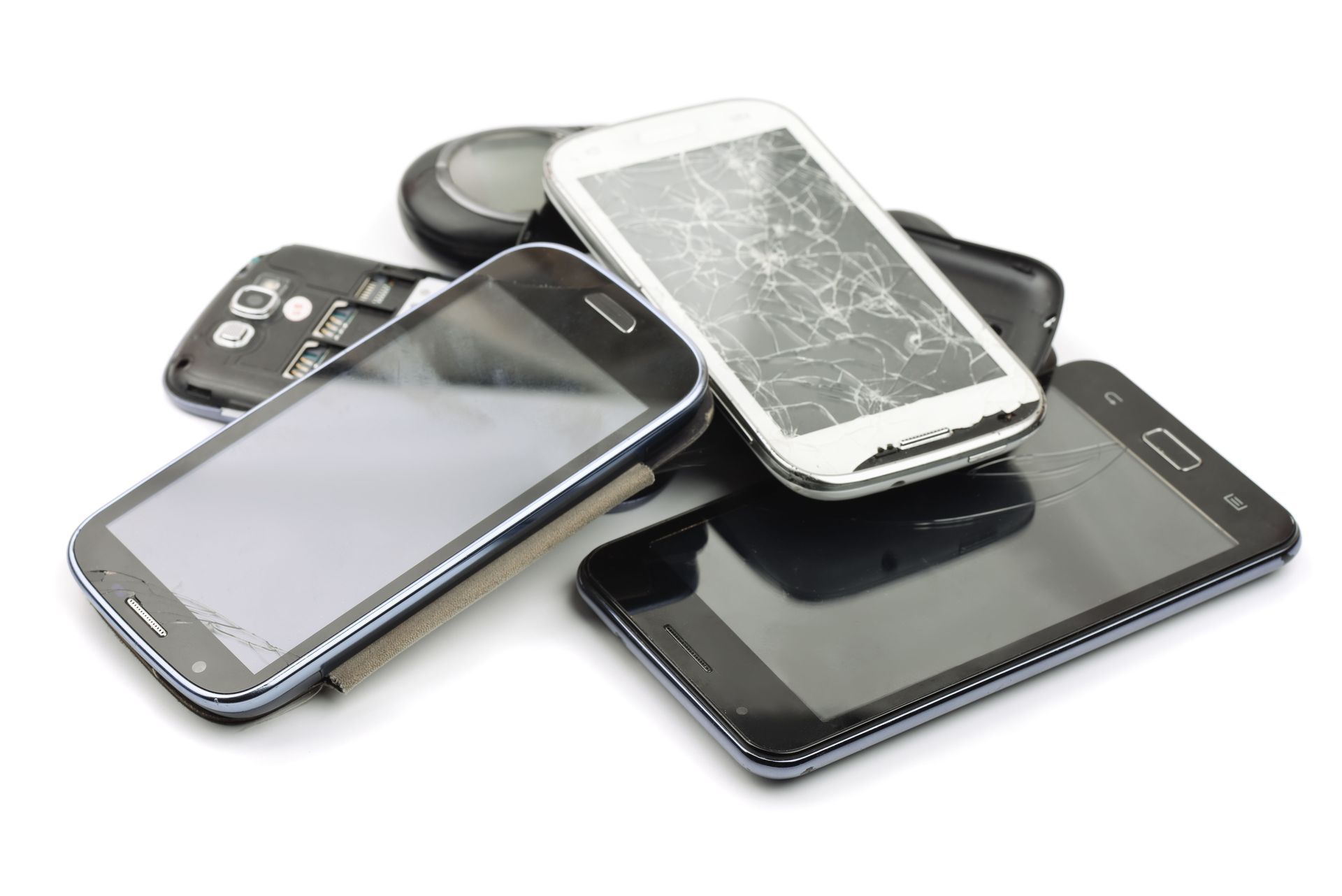
In the modern world, electronic devices have become an essential part of our daily lives. From smartphones to laptops, televisions to household appliances, technology is constantly evolving, and with it comes the inevitable rise of electronic waste, or e-waste. Improper disposal of e-waste poses significant threats not only to the environment but also to human health and economic systems. According to CNBC, e-waste is expected to reach 82 million metric tons by 2030, so it's crucial to understand the hidden risks of ignoring proper e-waste recycling for businesses, governments, and individuals. Here, we explore 14 critical dangers you might not realize are associated with neglecting responsible e-waste management.
1. Environmental Contamination
One of the most immediate and visible risks of improper e-waste disposal is environmental contamination. Electronic devices contain hazardous materials such as lead, mercury, and cadmium. When e-waste is dumped in landfills or incinerated, these toxic substances can leach into soil and water systems. This contamination can harm local ecosystems, including plants, animals, and aquatic life. Even trace amounts of heavy metals in soil can disrupt plant growth and accumulate in food chains, creating long-term ecological problems.
2. Human Health Hazards
Improper handling of e-waste also poses significant health risks. Toxic materials like lead and mercury can enter the human body through inhalation, ingestion, or skin contact. Prolonged exposure to these substances can lead to neurological damage, respiratory problems, kidney failure, and developmental disorders in children. Informal e-waste recycling operations, particularly in developing countries, often expose workers and nearby communities to dangerous chemicals without proper safety measures, making health hazards a serious concern.
3. Air Pollution
Burning electronic waste to extract valuable metals is a common but hazardous practice in many unregulated recycling operations. This process releases harmful pollutants into the air, including dioxins, which are known carcinogens. Air pollution from e-waste not only affects local communities but can also travel long distances, contributing to global air quality issues. Over time, inhalation of contaminated air can lead to chronic respiratory conditions, heart disease, and other severe health problems.
4. Water Contamination
When e-waste is improperly discarded, toxic materials often seep into groundwater and surface water. Heavy metals like cadmium and lead are especially problematic because they do not degrade easily and can persist in water sources for decades. Contaminated water can pose immediate risks to human health, agriculture, and aquatic life. Communities relying on these water sources may face long-term consequences such as increased cancer rates, reproductive health issues, and compromised food safety.
5. Soil Degradation
Beyond contaminating water, hazardous substances from e-waste can degrade soil quality. Heavy metals and chemicals can alter the natural composition of soil, reducing its fertility and ability to support agriculture. This degradation threatens local food security and can lead to the accumulation of toxins in crops, which ultimately affect the food chain. Over time, soil contamination can spread beyond the immediate dumping site, affecting larger regions and ecosystems.
6. Loss of Valuable Resources
Electronic devices contain precious metals such as gold, silver, copper, and rare earth elements. When e-waste is discarded improperly, these materials are lost instead of being recovered and reused. Mining new resources to replace what has been lost not only depletes natural reserves but also requires significant energy and causes environmental harm. Proper e-waste recycling ensures that valuable materials are efficiently recovered, reducing the need for environmentally destructive mining practices.
7. Contribution to Climate Change
Improper e-waste disposal indirectly contributes to climate change. Burning e-waste release greenhouse gases, while the extraction of new raw materials requires substantial energy, often derives from fossil fuels. Recycling e-waste reduces the demand for new materials, conserves energy, and lowers carbon emissions. Ignoring proper recycling practices perpetuates a cycle of environmental degradation that accelerates global warming.
8. Economic Costs
Neglecting e-waste recycling can lead to significant economic consequences. Governments and communities must spend large amounts on environmental cleanup, healthcare costs associated with pollution-related illnesses, and lost productivity from workers exposed to toxic substances. Conversely, organized recycling programs create economic opportunities, including jobs in collection, sorting, and material recovery. Ignoring recycling represents a missed chance for economic growth and sustainable resource management.
9. Legal and Regulatory Risks
Many countries have enacted strict regulations governing e-waste disposal. Failing to comply with these laws can result in hefty fines, legal actions, and damage for business and organization reputations. Regulations often cover everything from collection and transportation to treatment and recycling of electronic waste. Ignoring proper e-waste disposal not only poses environmental and health risks but also exposes organizations to legal liabilities and penalties that can have long-term financial consequences.
10. Threats to Data Security
Modern electronics, particularly computers, smartphones, and storage devices, contain vast amounts of sensitive personal and corporate data. Improper disposal of these devices can result in data breaches, identity theft, and the misuse of confidential information. Responsible e-waste recycling includes secure data destruction methods, such as shredding, wiping, or degaussing. Ignoring proper e-waste handling puts both individuals and organizations at risk of cybercrime and data loss.
11. Strain on Landfill Capacity
E-waste takes up a significant amount of space in landfills due to its bulk and non-biodegradable components. When electronics are not recycled, they contribute to the rapid filling of landfill sites, which accelerates the need for new landfill development. This not only consumes valuable land but also increases the environmental footprint of waste management. Overcrowded landfills can lead to leaks of hazardous substances, higher greenhouse gas emissions from decomposing materials, and additional logistical costs for waste management authorities.
12. Impact on Wildlife
Improperly discarded e-waste can have severe consequences for local wildlife. Toxic substances can contaminate water sources, soil, and vegetation, leading to poisoning or death in animals that ingest or come into contact with these pollutants. Birds, fish, and small mammals are particularly vulnerable, but the ripple effects can extend up the food chain, affecting entire ecosystems. With responsible e-waste recycling, harmful exposure to animals can be minimized, and habitats can be preserved.
13. Increased Electronic Fraud and Illegal Trade
Neglected e-waste often ends up in unregulated recycling operations or illegal export markets. In many cases, devices are refurbished or sold without proper oversight, creating opportunities for electronic fraud and misuse. This illegal trade not only undermines legitimate recycling efforts but also facilitates the spread of counterfeit electronics and unsafe devices. Responsible e-waste management ensures traceability, accountability, and compliance with international regulations, reducing the risk of fraud and unlawful distribution of technology.
14. Missed Opportunities for Innovation
Ignoring proper e-waste recycling also stifles opportunities for technological innovation. Recovered materials from electronics, such as rare earth metals and specialized components, can be repurposed for new technologies, reducing the need for resource-intensive mining. By failing to recycle, we limit the supply of critical materials that fuel advancements in renewable energy, electric vehicles, and high-tech devices. Proper e-waste management encourages a circular economy, where innovation thrives on sustainability and resource efficiency.
The hidden risks of ignoring proper e-waste recycling extend far beyond cluttered landfills. From environmental contamination and human health hazards to economic losses and data security threats, the consequences are far-reaching and long-lasting. Proper e-waste management is not merely an environmental responsibility; it's a crucial step in safeguarding public health, conserving natural resources, and fostering sustainable economic growth. Our team at I.T. Supply Solutions, LLC serves the Cincinnati, OH area with over 25 years of experience in e-waste management. Contact us today for a free quote!



Share On: